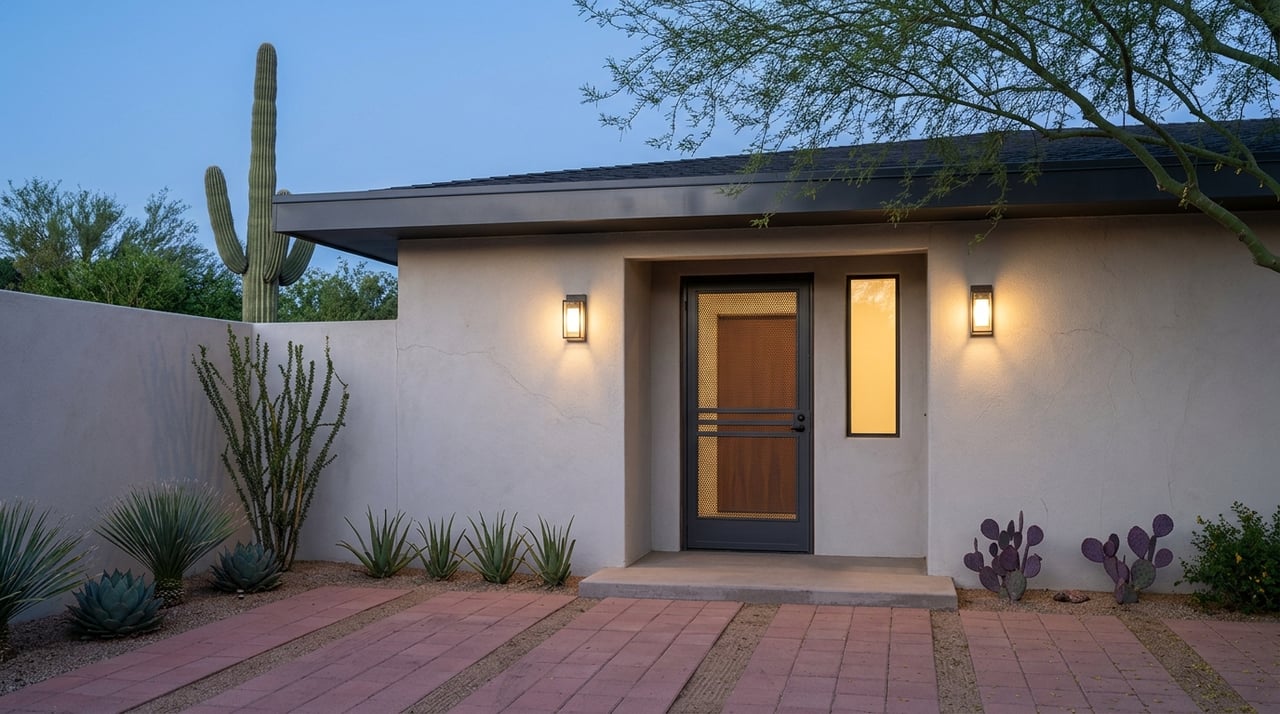
Thinking about a second home in the Catalina Foothills? You are not alone. For many buyers, the appeal is clear: desert views, flexible lifestyle use, and a housing mix that can support different ownership goals. Still, buying a second home here comes with a few local realities you will want to understand before you move forward. In this guide, you will learn how the Catalina Foothills market works, what to watch for with maintenance and financing, and how to make a smarter purchase decision from the start. Let’s dive in.
Why Catalina Foothills Draws Second-Home Buyers
Catalina Foothills is an unincorporated community in Pima County, which means county-level records, taxes, and services play an important role in ownership. Pima County lists Catalina Foothills among its unincorporated communities, and that detail matters when you start looking at taxes, recording, and local service questions.
The area also has the profile many second-home buyers look for. According to Census Reporter data cited in the research provided, Catalina Foothills has 52,593 residents, 24,601 households, a median age of 55.3, median household income of $115,304, and a median owner-occupied home value of $652,000. Those numbers help frame the market as an established residential area with higher-value housing and a strong ownership base.
What the Market Looks Like Now
If you are trying to time your purchase, it helps to know this is not an ultra-fast market, but it is still active. Redfin’s February 2026 market snapshot describes Catalina Foothills as somewhat competitive, with a median sale price of $672,000, homes selling in about 67 days, and average sale prices landing about 3% below list.
For you, that can create room to be thoughtful. You may have time to compare options, review condition issues carefully, and think through long-term fit instead of rushing into a decision. It also means that if resale matters to you later, pricing, presentation, and upkeep will still matter in a meaningful way.
Which Property Type May Fit Best
One of the first second-home questions is simple: how much upkeep do you really want?
Point2Homes demographic data shows that about 65% of the local housing stock is detached single-family homes, about 12% is attached housing, and the rest is spread across multifamily options and a very small share of mobile homes. DataUSA also reports 76.4% owner occupancy in 2024, which supports the idea that this is primarily an owner-held housing market.
That mix gives you options, but detached homes remain the core inventory. If you want privacy, outdoor space, and a more traditional foothills ownership experience, a detached home may be the natural fit. If you prefer a lower-maintenance setup for part-time use, an attached home or condo-style property may deserve a closer look.
Think Through the Lock-and-Leave Reality
A second home in the desert is not just about buying the right property. It is also about owning it well when you are away.
The Tucson area climate can be demanding. Official Tucson climate normals from the National Weather Service show average highs of 101.2°F in June, 100.2°F in July, and 98.6°F in August, with about 68 days each year reaching 100°F or hotter. Summer monsoon season also brings added weather concerns.
NWS monsoon guidance for southern Arizona warns that storms can bring flash flooding and lightning, while dry and windy conditions can support rapid fire growth. For a part-time owner, those seasonal patterns are not just weather trivia. They directly affect how you plan maintenance, inspections, and vacancy care.
Desert Maintenance Priorities
If you are buying a second home in Catalina Foothills, build your ownership plan around climate from day one. In practical terms, that often means focusing on:
- HVAC servicing before peak summer heat
- Irrigation scheduling and system checks
- Roof and drainage reviews before and after monsoon season
- Storm follow-up after heavy rain or wind events
- A trusted local contact who can check the property during longer absences
Landscaping choices matter too. City of Tucson and University of Arizona Extension materials encourage water harvesting, xeriscape, and efficient irrigation as practical responses to desert conditions. If you want a lower-maintenance second home, climate-appropriate landscaping can help reduce both water use and day-to-day upkeep.
Financing Rules Matter More Than Many Buyers Expect
Second-home financing is not the same as financing a primary residence, and it is important to understand the distinction early.
Fannie Mae’s occupancy guidance says a second home must be occupied by the borrower for some portion of the year, must be a one-unit dwelling suitable for year-round occupancy, must remain under the borrower’s exclusive control, and cannot be a rental property or timeshare. If rental income exists, it cannot be used to qualify the property as a second home.
That means your intended use is not a minor detail. It can affect financing structure, documentation, and how a lender classifies the property from the start.
How Much Down Payment to Expect
Your loan options will depend on your finances and the property, but second-home buyers should be prepared for a higher down payment than many primary-home borrowers.
Freddie Mac’s conforming guidelines currently allow up to 90% loan-to-value for second-home purchase or no-cash-out refinance loans. In plain language, that means you should generally expect at least a 10% down payment on those products.
Before you shop seriously, it helps to confirm not only what you can afford, but how your planned use aligns with lender rules. That step can save you time and reduce surprises once you are under contract.
Tax and Recording Details to Know
Because Catalina Foothills is in unincorporated Pima County, county systems are especially relevant when you own property here.
Arizona also has a useful transfer-tax detail that surprises some out-of-state buyers. The Arizona Constitution prohibits new taxes, fees, stamp requirements, or other assessments on the transfer of real property, and A.R.S. 11-1132 requires only a $2 county recorder fee before a deed or contract is recorded.
On the ownership side, the Pima County Treasurer notes that property taxes are generally paid in two installments:
- First installment due October 1 and delinquent November 1
- Second installment due March 1 and delinquent May 1
The Treasurer also notes that mailing address changes are handled through the Assessor, which is especially important if this will not be your full-time residence.
Understand How Rental Use Changes Things
Many buyers start with a simple idea: use the home personally now, maybe rent it occasionally later. That can be possible in some situations, but it should never be treated as an afterthought.
IRS Publication 936 says a second home that is not rented out can be treated as a qualified home for mortgage-interest purposes, but the rules change if the home is rented for part of the year. On the financing side, Fannie Mae also makes clear that a second home cannot be rental property for qualification purposes.
If occasional rental income, furnished housing use, or any income strategy may be part of your plan, re-check the property with your lender and tax advisor before closing. A home that looks like a second-home purchase at first can be treated differently once rental use enters the picture.
A Smart Second-Home Checklist
Before you buy, try to answer these questions clearly:
- Is your plan personal use only, or could rental use become part of the strategy?
- Would a detached home, townhome, or condo better match your maintenance tolerance?
- Which HOA, insurance, water, and tax items need to be reviewed before closing?
- Who will inspect the property during monsoon season or long absences?
- How will you protect the home’s condition and resale appeal while it is only part-time occupied?
These are not small details. They shape your monthly costs, your stress level, and your long-term flexibility.
Why Local Guidance Helps
A second-home purchase often involves more moving parts than buyers expect, especially when you live out of town. You may need help coordinating inspections, reviewing property documents, lining up service vendors, checking the home after storms, and planning for future resale.
That is where a calm, local, detail-focused approach can make a real difference. When you have someone on the ground helping you think through property type, upkeep, financing use, and resale considerations, the process tends to feel much more manageable.
If you are considering a second home in Catalina Foothills and want thoughtful guidance tailored to your goals, connect with Genardini Realty Solutions. You will get a client-first, data-informed approach designed to help you move forward with clarity and confidence.
FAQs
What makes Catalina Foothills different for second-home buyers?
- Catalina Foothills is an unincorporated Pima County community, so county-level taxes, records, and services play a central role in ownership.
What is the current Catalina Foothills housing market like?
- Redfin’s February 2026 snapshot describes the market as somewhat competitive, with a median sale price of $672,000, about 67 days on market, and average sales around 3% below list price.
What property type works best for a second home in Catalina Foothills?
- It depends on how much maintenance you want. Detached homes make up most of the inventory, while attached or condo-style options may better fit a lower-maintenance, lock-and-leave plan.
What climate issues should second-home owners plan for in Catalina Foothills?
- You should plan for extreme summer heat, monsoon storms, drainage concerns, irrigation management, HVAC upkeep, and local property checks during absences.
What are the financing rules for a second home in Arizona?
- Fannie Mae says a second home must be occupied by the borrower for part of the year, be suitable for year-round occupancy, remain under the borrower’s control, and not be treated as rental property for qualification.
Can you rent out a Catalina Foothills second home later?
- Possibly, but rental use can change both financing and tax treatment, so you should confirm your plans with your lender and tax advisor before closing.