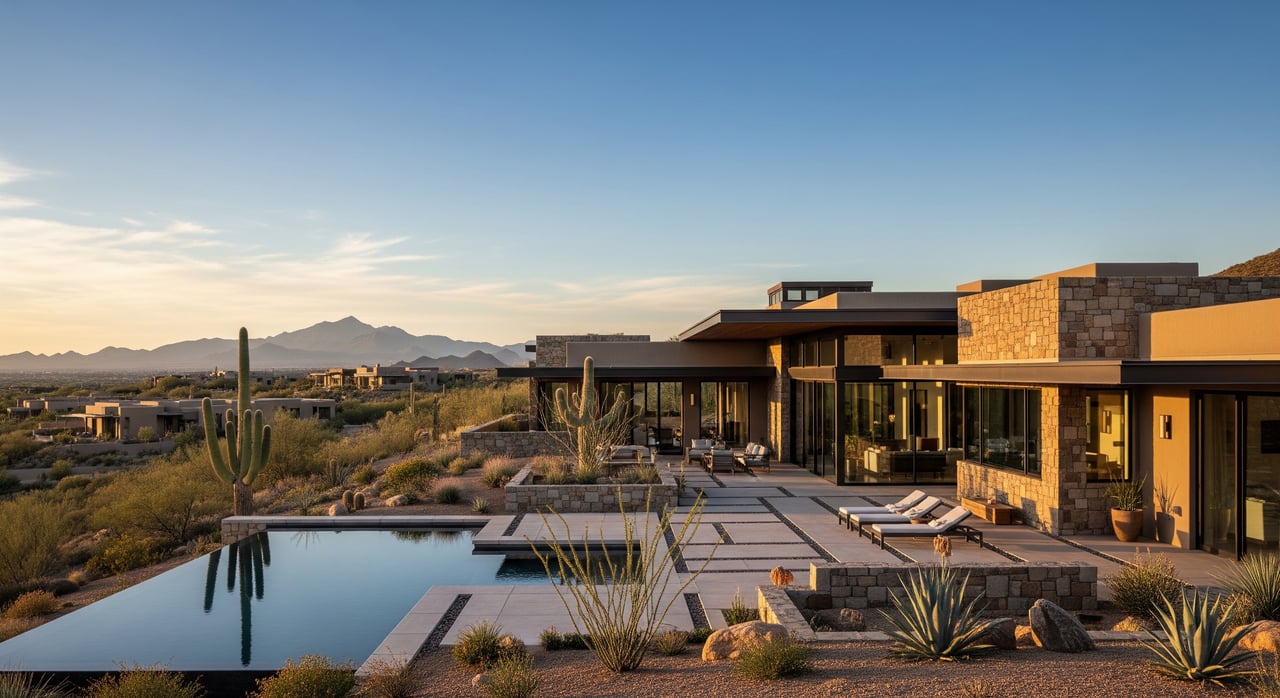
Thinking about a move to Vail because you keep hearing how quickly it’s growing? You’re not alone. Many buyers are weighing Vail against other Tucson suburbs as they look for more space, newer homes, and a strong everyday lifestyle. In this guide, you’ll see how that growth is shaping prices, inventory, and your buying strategy, along with practical tips to shop with confidence. Let’s dive in.
Why Vail is growing
Vail has transformed from ranchland into a modern suburban hub as the Tucson metro expanded southeast. The draw is simple: more developable land, newer single-family homes, and larger lots than you’ll often find closer to central Tucson.
Families also look closely at the Vail Unified School District. The district’s reputation contributes to steady demand, which influences pricing. Regional population growth, remote work trends, and infrastructure improvements have also made commuting from Vail more practical for many households.
One important note: Vail is in unincorporated Pima County. That means growth patterns often reflect county land use policy, school boundaries, and developer activity rather than a single city plan.
What growth means for housing
Most homes in Vail were built within the last 20 to 30 years, so you’ll see modern layouts, open kitchens, and 3 to 5 bedroom floor plans that fit move-up needs. Many neighborhoods are newer subdivisions, and there are also larger-lot and semi-rural parcels, including properties suitable for horses or hobby ranching.
You’ll find relatively few historic homes compared with older Tucson neighborhoods. If you want a newer home and a larger lot, Vail often delivers both.
Pricing and value signals
Vail’s values tend to run higher on a per-home basis than the Tucson city average. Newer construction, larger lots, and demand linked to school boundaries are key reasons.
Market conditions have reflected tight inventory in recent years across the Tucson area. In Vail, well-presented and well-priced homes often draw strong attention. For up-to-date figures like median price, months of inventory, and days on market, review the latest monthly reports from the Tucson Association of REALTORS or your agent’s local MLS snapshots.
Inventory and competition
Inventory in Vail has often been lower than pre-pandemic norms, especially in price bands popular with families. That can create multiple-offer situations on desirable listings.
Buyers sometimes use appraisal gap strategies and contingency planning to stay competitive. The level of competition varies by neighborhood and price point, so it helps to set expectations based on recent comparable sales.
New construction vs. resale
New construction plays a big role in Vail’s supply. If you value move-in condition and modern features, comparing builder options to resale homes can make sense.
When you consider a new build, weigh the differences:
- Timeline: Build schedules can affect your move date.
- Warranty and finishes: New homes often include builder warranties and options for finishes.
- HOA and rules: Review CC&Rs, fees, and any design or use restrictions.
- Resale competition: A strong resale can offer mature landscaping and established streets, with faster move-in timing.
Schools and boundaries
School boundaries in Vail strongly influence buyer interest and pricing. If schools are a key factor for your household, confirm the exact boundary and enrollment details before you write an offer.
Practical steps:
- Check attendance boundaries directly with the Vail Unified School District.
- Review Arizona Department of Education school report cards for current performance data and enrollment trends.
Use neutral, factual information to guide your decision. Enrollment capacity can change, so verify the latest details.
Utilities, HOAs, and land details
Vail includes both newer subdivisions and semi-rural areas, so utility setups vary. Many homes connect to regional water and sewer systems, while some outlying or older parcels may rely on wells and septic.
What to confirm early:
- Water and sewer: Ask for seller disclosures and confirm with Pima County records.
- Septic or well: If present, understand maintenance, inspections, and any permitting requirements.
- HOA/CC&Rs: Know the rules, fees, and how they impact your use and carrying costs.
- Road maintenance: On certain roads, maintenance agreements or HOA responsibility can affect access and costs.
Appraisals can be more complex on unique properties, such as acreage or horse-ready parcels, and in very new subdivisions where comparable sales are limited. Build in time for appraisal strategy if you plan to finance.
Commuting and lifestyle tradeoffs
Vail sits southeast of central Tucson, and most commuting relies on regional highways and surface roads. Travel times can vary by time of day.
If you commute daily to employment centers in Tucson, weigh that drive against the tradeoffs you gain in Vail, such as newer homes and larger lots. If you work remotely or have a flexible schedule, the balance can shift even more in Vail’s favor.
Vail vs nearby suburbs
You might be comparing Vail to other parts of the metro. Here’s how the decision often breaks down in practice:
Vail vs Catalina Foothills: Catalina Foothills is established and often pricier on a per-square-foot basis, with hillside settings and close-in amenities. Vail offers newer suburban stock and larger lots at comparatively lower per-lot prices.
Vail vs Oro Valley: Oro Valley is an established suburb with higher median prices in many segments and robust commercial amenities. Vail’s pattern is more residential, with growth driven by new neighborhoods and larger-lot options.
Vail vs Marana: Both are growth areas with notable new construction. Marana includes large master-planned communities and substantial commercial corridors. In Vail, certain price points are driven by new-build options alongside resale neighborhoods.
Vail vs Sahuarita: Sahuarita has seen rapid growth, with strong family-oriented neighborhoods and considerable starter-home volume. Depending on timing and location, Sahuarita price points can compete with or undercut some parts of Vail.
For apples-to-apples comparisons, look at the same metrics and dates across areas: median sold price, price per square foot, months of inventory, and days on market.
Buyer checklist for Vail
Use this quick list to stay organized:
- Verify school boundaries and capacity with the Vail Unified School District and Arizona Department of Education resources.
- Confirm utilities early: Ask for seller disclosures on water, sewer, septic, wells, and any easements.
- Review HOA and CC&Rs: Understand fees, rules, and road maintenance language.
- Get a strong pre-approval: Prepare for competitive scenarios and consider appraisal-gap planning with your lender.
- Ask for relevant comps: Your agent should pull recent sales in the same subdivision or nearby areas to guide pricing and appraisal expectations.
- Check zoning for acreage or equestrian use with Pima County before you commit.
Is now the right move for you?
If you want newer homes, larger lots, and a suburban setting within reach of Tucson, Vail deserves a close look. Growth has created steady demand, especially in family-friendly price ranges, and new construction gives you options alongside resales.
When you pair market data with a clear plan for schools, utilities, and appraisal strategy, you can move forward with confidence. If you’re ready to explore, let’s talk through your timing, budget, and must-haves.
If Vail is on your list, connect with Genardini Realty Solutions for calm, data-informed guidance from search to closing. Request Your Home Valuation and map your next move with clarity.
FAQs
Is Vail more expensive than Tucson overall?
- Vail often shows higher per-home values than the Tucson city average due to newer construction, larger lots, and demand influenced by school boundaries; check current TAR or MLS data for exact figures.
How do schools impact home prices in Vail?
- The Vail Unified School District draws consistent buyer interest, which can create a price premium in many neighborhoods; always verify boundaries and enrollment.
Are there new homes available in Vail right now?
- Yes, new construction is a key part of Vail’s supply; compare builder timelines, warranties, and HOA rules with resale options in the same price range.
Will I need to worry about wells or septic in Vail?
- Many homes connect to regional water and sewer, but some outlying or older parcels may use wells and septic; confirm details via seller disclosures and Pima County records.
How competitive is the Vail market for family-sized homes?
- Inventory has often been tight in popular price bands, leading to multiple offers on well-presented listings; plan ahead with pre-approval and appraisal-gap strategy if needed.
How does Vail compare to Oro Valley, Marana, or Sahuarita?
- Vail offers newer suburban homes and larger lots; Oro Valley is more established with higher prices in many segments, Marana features large master-planned areas, and Sahuarita often has strong starter-home options; compare current metrics across areas before deciding.