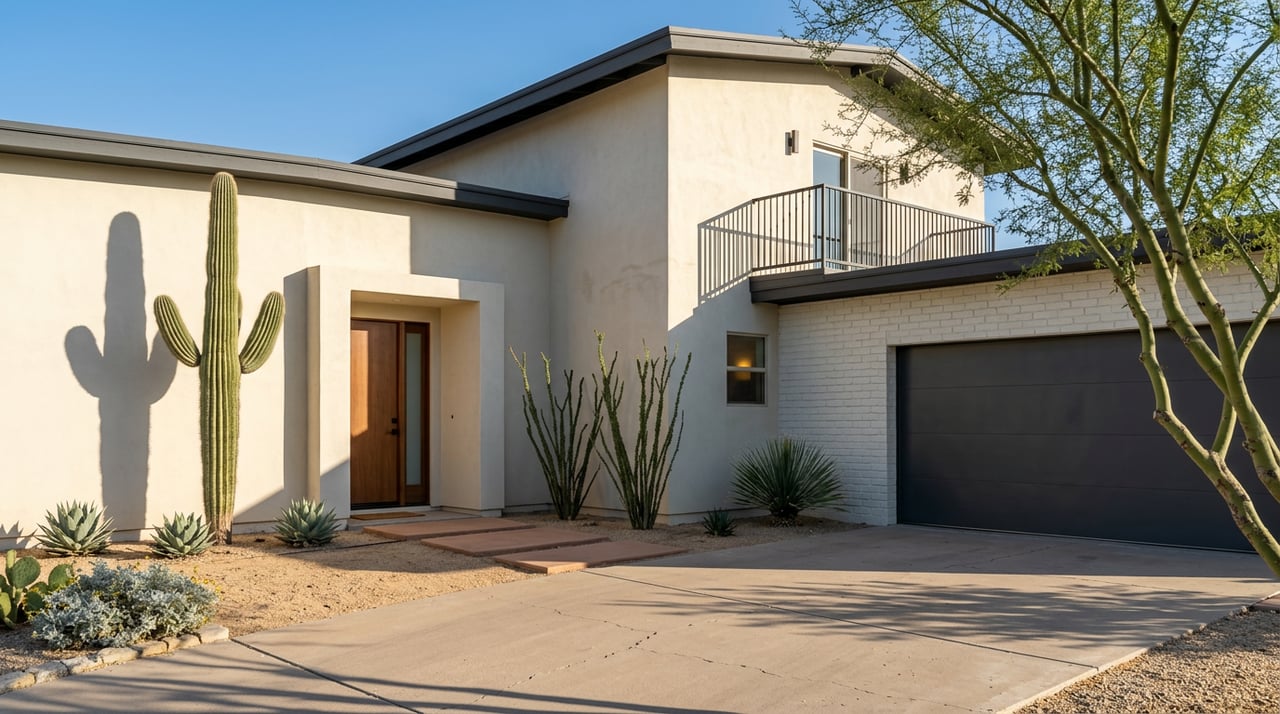
You want the Oro Valley lifestyle: mountain light, open skies, and indoor-outdoor living that fits your next chapter. But should you focus on a single-story or a two-story home? It is a big decision that touches daily comfort, lot use, energy costs, and long-term resale. In this guide, you will learn the key tradeoffs through an Oro Valley lens so you can shop with clarity and confidence. Let’s dive in.
What fits your Oro Valley life?
Oro Valley’s setting is special. The town sits between Pusch Ridge in the Santa Catalina Mountains and the Tortolitas, which creates prized view corridors and hillside neighborhoods. That geography shapes how much a second floor helps with views and how a lot feels day to day. You can explore the town’s setting and amenities on the official Town of Oro Valley site.
At the same time, the market is varied. In late 2025 into early 2026, typical single-family values centered around roughly $500,000 to $535,000, with meaningful differences by neighborhood and lot type. Days on market often ranged about 40 to 80 days depending on price band and features. Your best fit will depend on how you prioritize access, views, outdoor space, and operating costs.
Single-story benefits in the desert
Single-level living is popular in Oro Valley for good reasons.
- Easier access and aging in place. If you want a home that can work for decades, one level reduces stair use and makes everyday routines simpler. Public health guidance notes that falls, including on stairs, are a major source of injury for older adults, which is why single-level layouts are often preferred for long-term comfort. See the U.S. Preventive Services Task Force review on fall prevention.
- Seamless indoor-outdoor flow. Patios, pools, and grilling are easier when everything is on one level. In a desert climate, that convenience gets used often.
- Yard-forward living. At the same interior square footage, a one-story home typically spreads out on the lot, which can give you wider patios or more pool space without a towering profile next door.
Buyer demographics also matter. National surveys show a rising share of older buyers, which helps explain why single-level or main-floor primary suites remain attractive for resale planning. Review the NAR buyer and seller profiles for context on who is buying today.
Two-story advantages in Oro Valley
Two-story plans shine when you want more space, separation, and potentially better sightlines without paying a large lot premium.
- More space on a smaller footprint. Stacking bedrooms above living areas keeps yards usable and can help you stay in a favorite neighborhood when lots are modest.
- Natural separation. Many two-story layouts put secondary bedrooms upstairs and living areas down, creating quieter sleep zones.
- Elevated views. An upper-story vantage can clear neighboring roofs to capture Santa Catalina or Tortolita vistas that a flat lot might not provide.
Views, lots, and topography
In Oro Valley, elevation and orientation drive view value. The same street can have very different sightlines based on pad height, slope, and what sits behind the property.
When a one-story can still get views
If a lot backs to open space or drops away from the home, a single-story on a premium parcel can deliver beautiful mountain views. Larger or angled lots also help by placing windows and patios toward view corridors without needing a second floor.
When a second floor wins
On smaller, flatter lots where neighbors sit at similar heights, a second story often clears rooflines for long-range views at a lower cost than securing a high-elevation or oversized lot. If a wide view is a must and budget is set, a two-story can be the practical path.
For planning and due diligence, start with the town’s resources. Oro Valley’s codes and area plans include view-corridor and hillside protections that can affect home height and siting. The Rancho Vistoso Planned Area Development is a good example of how local standards guide building heights and design in a master-planned area.
Zoning, PADs, and HOAs: know the rules
Before you assume you can add a second story or raise rooflines, check the applicable zoning and design standards.
- Town zoning and hillside methods. Oro Valley’s zoning code outlines how height is measured, how slopes are treated, and where environmentally sensitive land rules apply. Start with the Town Zoning Code and confirm details with the planning department for your exact parcel.
- PAD and HOA design standards. Many subdivisions use PADs or HOA architectural guidelines that limit roof heights, require certain roof forms, or protect view corridors. These rules can help preserve neighborhood character and views, but they also limit additions. Always review the recorded documents before you buy.
Energy costs and comfort
Cooling drives most energy use in the Tucson metro’s long hot season. Climate data for the area show frequent 90-plus and 100-plus days, which makes air conditioning performance a key budget item. See the local climate normals published through the National Weather Service’s Tucson station data on marine.weather.gov.
Electricity costs add up, so efficiency gains matter. Arizona’s average residential electricity prices provide useful context when you compare homes or plan upgrades. You can review state-level price data from the U.S. Energy Information Administration.
Why story count matters
From a building-science perspective, a two-story home with the same square footage as a single-story typically has less roof and exterior wall area per square foot of living space. Less exposed surface can reduce heat gain and, in many models, improve energy efficiency on a per-square-foot basis. You can read a summary of this envelope-area effect in peer-reviewed research from MDPI Buildings.
That said, real-world bills depend on many factors: insulation, air sealing, window orientation, roofing reflectivity, HVAC sizing and zoning, duct location and leakage, and how you actually use the home. A well-insulated one-story with a reflective roof can outperform a poorly executed two-story. Number of stories is only one piece of the puzzle.
Smart upgrades to ask about
In a hot desert climate, a few features make a big difference:
- Cool roofs and reflectance. Reflective roofing materials reduce attic heat gain and summer cooling demand. The U.S. Department of Energy explains the impact of reflective roofs in hot climates and highlights the push to accelerate adoption. Read more from the DOE on cool roof technology.
- Insulation and air sealing. Ask about attic R-values and whether ducts run in conditioned space. Tucson Electric Power offers incentives that can offset upgrade costs. Check current TEP residential insulation programs.
- HVAC zoning and age. Two-story homes often need multizone controls or separate systems for comfort upstairs. On one-story homes, a right-sized system and well-sealed ducts are key. Request recent utility bills to compare performance.
Resale signals in Oro Valley
Resale performance depends on buyer pool, price band, and lot quality. Here are practical patterns we see in local conversations and public data snapshots:
- View lots command premiums. Elevation, orientation, and open-space adjacency often drive above-neighborhood pricing. This applies to both single- and two-story homes.
- Single-story luxury can lead in hillside areas. In high-end gated or custom pockets, many buyers expect single-level living with generous outdoor amenities. That preference supports top-dollar sales where lots are large and views are protected.
- Two-story value in move-up segments. In mainstream subdivisions where lots are modest, two-story homes that deliver extra bedrooms and square footage at approachable prices are competitive and can attract a wide audience.
The best way to quantify these differences is to compare recent sales by story count within the same subdivision and price band. We can pull a 6 to 12-month comp set, filter for story count, and include view and lot notes to show you real tradeoffs.
Quick decision checklist
Use this to clarify your must-haves before touring.
- Time horizon and mobility plan. If you expect to stay 10-plus years, weight single-level or a main-floor suite for long-term comfort. Public health guidance supports minimizing stair risk as you age.
- View priority vs lot budget. If a view is non-negotiable and lot size is limited, a two-story might be the efficient route. If outdoor living is your focus, a single-story on a wider lot can maximize patio and pool space.
- Energy and running costs. Ask for recent utility bills, HVAC age and zoning, attic insulation levels, and roof type or reflectivity. Two-story can be efficient per square foot, but system quality matters more.
- Future remodel math. If you will want a main-floor suite later, compare today’s premium for an existing single-story with the cost of a future remodel. Paying up front can avoid a costly retrofit.
- Neighborhood and rules. Confirm PAD and HOA guidelines plus town zoning to understand what is possible for additions, rooflines, or outdoor features.
Next steps
Choosing between single-story and two-story living in Oro Valley is really about matching your lifestyle to the land. Start with your daily flow, then layer in view goals, yard needs, and budget for utilities and upgrades. From there, a targeted search within the right subdivisions will make the answer clear.
If you want a calm, data-informed approach to this decision, let’s talk. We will map your priorities, pull story-specific comps, and confirm any code or HOA constraints before you write an offer. Ready to find your fit in the shadow of Pusch Ridge? Connect with Genardini Realty Solutions for thoughtful, local guidance.
FAQs
Is a one-story or two-story more energy efficient in Oro Valley?
- Two-story homes often have less exposed roof and wall area per square foot, which can improve efficiency, but insulation, roofing reflectivity, duct sealing, and HVAC quality usually matter more than story count.
How do Oro Valley zoning and PAD rules affect adding a second story?
- Town zoning and hillside methods plus PAD or HOA design standards may limit building height and rooflines, so review the Town Zoning Code and any applicable PAD, like Rancho Vistoso, before planning additions.
Do I need a two-story to get mountain views in Oro Valley?
- Not always; a one-story on a higher or view-oriented lot can have excellent Catalina or Tortolita vistas, while a two-story can help on flatter, smaller lots where an upper level clears nearby rooflines.
What should I ask sellers about utility costs and HVAC?
- Request 12 months of utility bills, note HVAC age and whether zones serve each floor, check attic insulation levels, and ask about roof reflectivity or recent energy upgrades like duct sealing or insulation rebates from TEP.
How does resale differ between one- and two-story homes in Oro Valley?
- Single-story homes often lead in higher-end hillside areas, while two-story homes can offer strong value and buyer reach in move-up subdivisions where extra bedrooms and square footage are priorities.
What climate factors affect home comfort and costs in Oro Valley?
- A long, hot cooling season drives electricity use, so features like reflective roofs, good insulation, and right-sized HVAC are key; see local climate normals on marine.weather.gov and Arizona electricity data from the EIA.